Spacecargo: warehouse management system
SpaceCargo is a warehouse management system built to handle high-volume parcel operations. It manages everything from inbound processing and storage to tracking and final handover.
I designed the product to make warehouse logistics more reliable and predictable. My focus was on reducing manual checks and improving visibility to keep physical inventory and digital states in sync.
Background
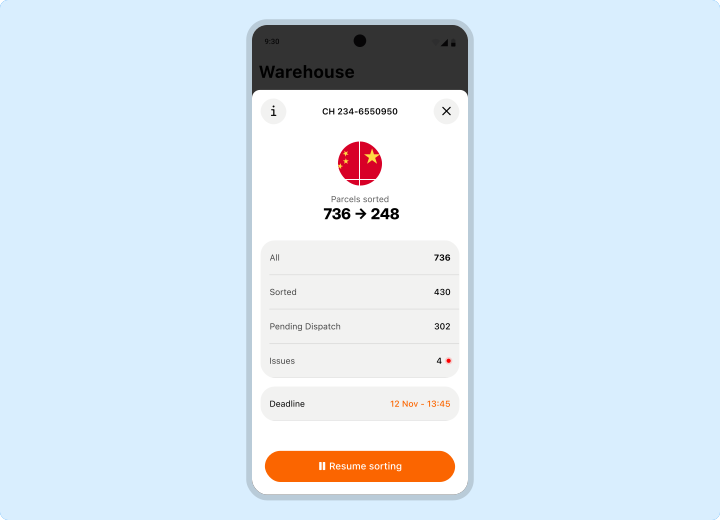
Warehouse operations require speed, accuracy, and clear accountability. Before this product, teams relied on paper notes and verbal checks, leading to opaque parcel statuses and slow problem-solving.
I replaced these ad-hoc processes with a single system to track parcel status and ownership in real time. By consolidating actions into one digital space, we eliminated redundant manual checks and made daily warehouse management predictable
The Problem
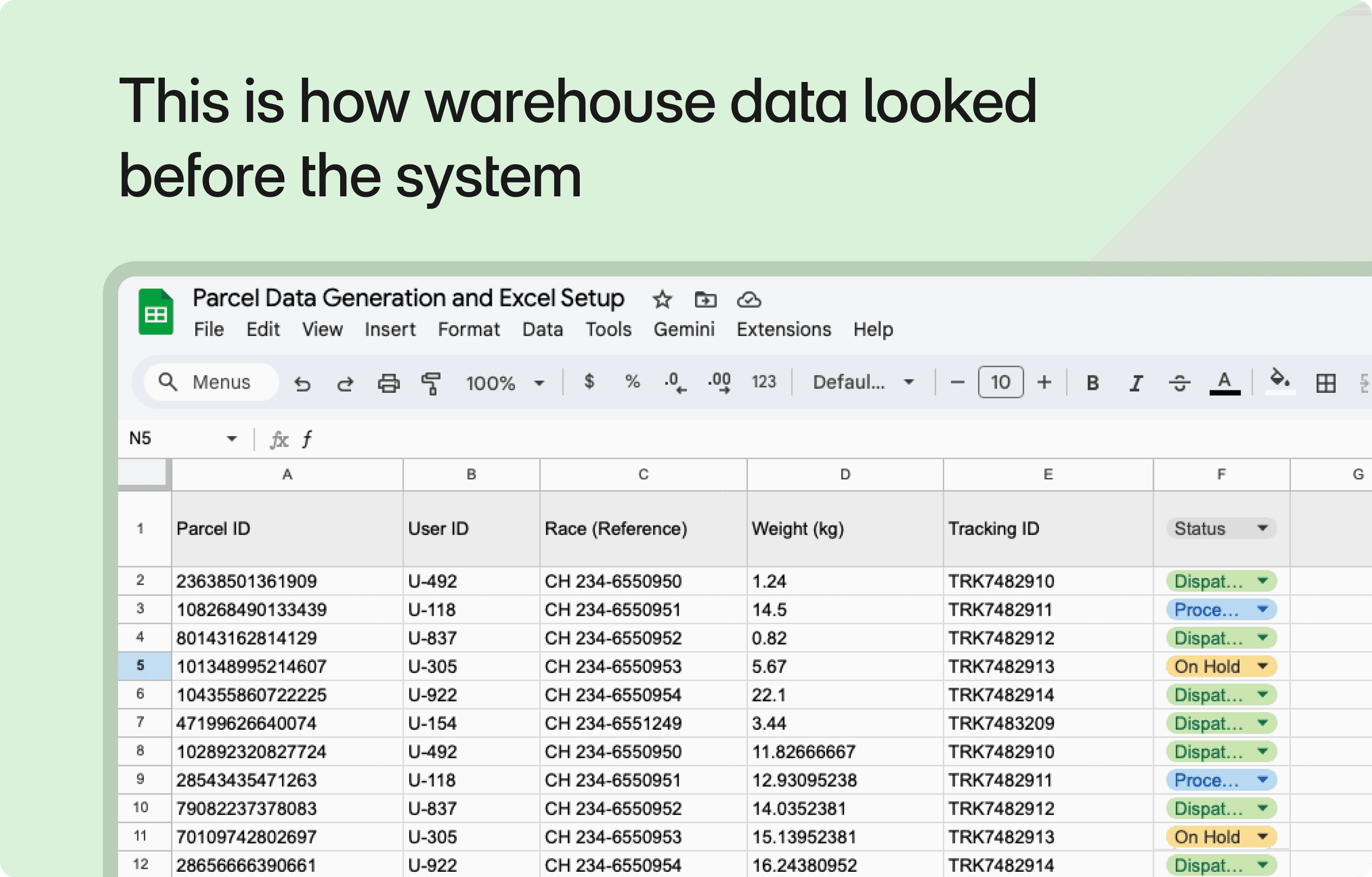
The company maintained high parcel volumes, but a weak internal workflow caused missing items and slow handling times. These inefficiencies delayed warehouse-to-door delivery, damaging client trust and leading to direct revenue loss even during peak periods.
I identified that the system lacked real-time feedback, making correct actions invisible and accountability weak. To fix this, I focused on making every action traceable to reduce mistakes per 100 parcels by 50%, moving the reliance from personal discipline to system-led support.
The absence of reliable logging meant teams had to search shelves manually or rely on memory to answer client inquiries. I targeted an instant response time for all status requests by ensuring the system provided exact location data and action history.
What I did
I designed the system around physical movement rather than screen interaction. Every touchpoint was reduced to the absolute minimum required to complete tasks while standing or carrying parcels.
To ensure work never stopped, I used high-contrast interfaces with large touch targets and short action paths. This allowed workers to complete digital updates in seconds, preventing skipped entries during high-pressure peak hours.
I aligned the digital workflow with actual warehouse operations by automating logs instead of requiring manual confirmations. By following physical movement patterns rather than abstract data models, I ensured workers could navigate the space without overthinking their next step.
Strategic feedback loops were placed at natural pause points to reduce internal handling time by approximately 30%. This logical placement caught errors early and significantly lowered the amount of correction work needed during busy periods.
Understanding warehouse operations
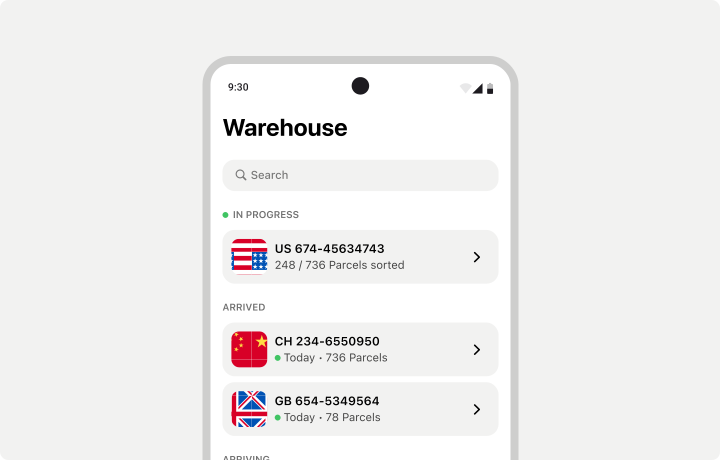
Warehouse work is a high-speed, physical environment where parcels move between staff and shelves under constant time pressure . Most operational errors occur because critical information is missing or unclear at the exact moment a worker needs to make a decision.
Since multiple roles interact with the same parcel daily, a lack of clear ownership often leads to overlapping actions and diluted responsibility . When an issue arises, teams waste valuable time investigating the history of the parcel rather than immediately resolving the problem.
I ensured the entire parcel lifecycle—from arrival and storage to movement and pickup—maintained a visible status and action history . By making these steps transparent, I moved the burden of accuracy from the worker's memory to a system-guided process.
Inbound processing
01 / 04
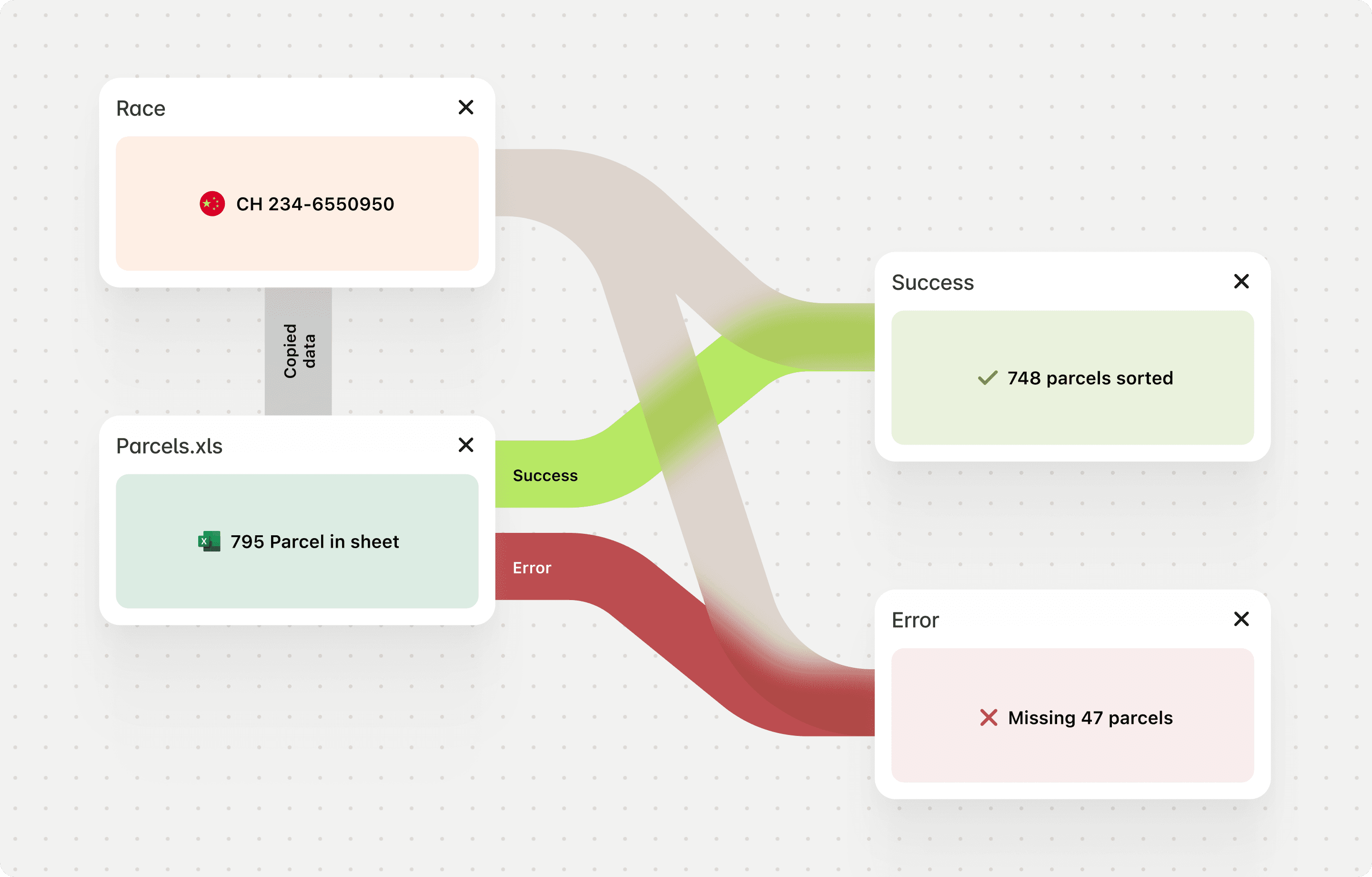
During daily operations, between 300 and 1000 parcels per route entered the warehouse . Inbound checks were originally manual and inconsistent, leading to late entries or missing data that created a ripple effect of errors downstream.
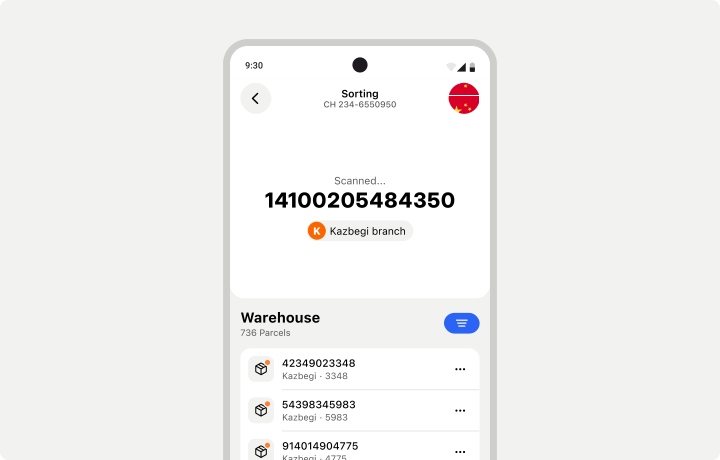
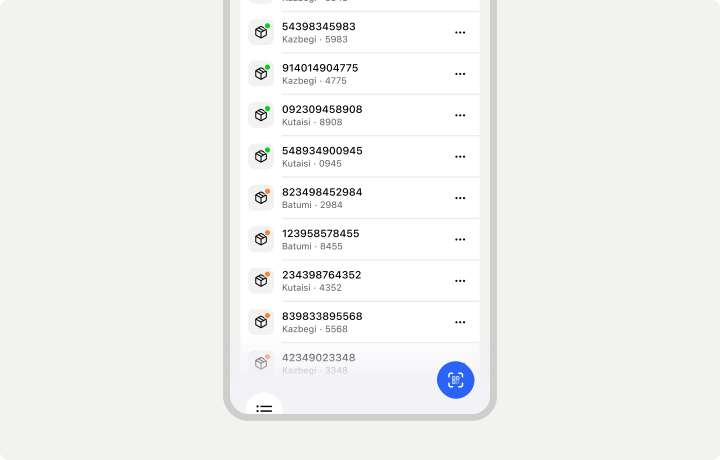
I redesigned the inbound process to be fast and strict by requiring every parcel to be scanned immediately upon arrival . In a single step, the system assigns the route, location, and responsible role, ensuring total clarity from the first touchpoint.
This new workflow reduced mistakes at the source before they could impact pickup or delivery . By enforcing digital accountability early, we eliminated the difficult correction work that previously plagued later stages.
Parcel & shipment tracking
02 / 04
Before tracking was fixed, parcels were often lost inside the warehouse because status updates were missing and location changes were not logged properly . This lack of data caused frequent manual search work and delayed pickups.
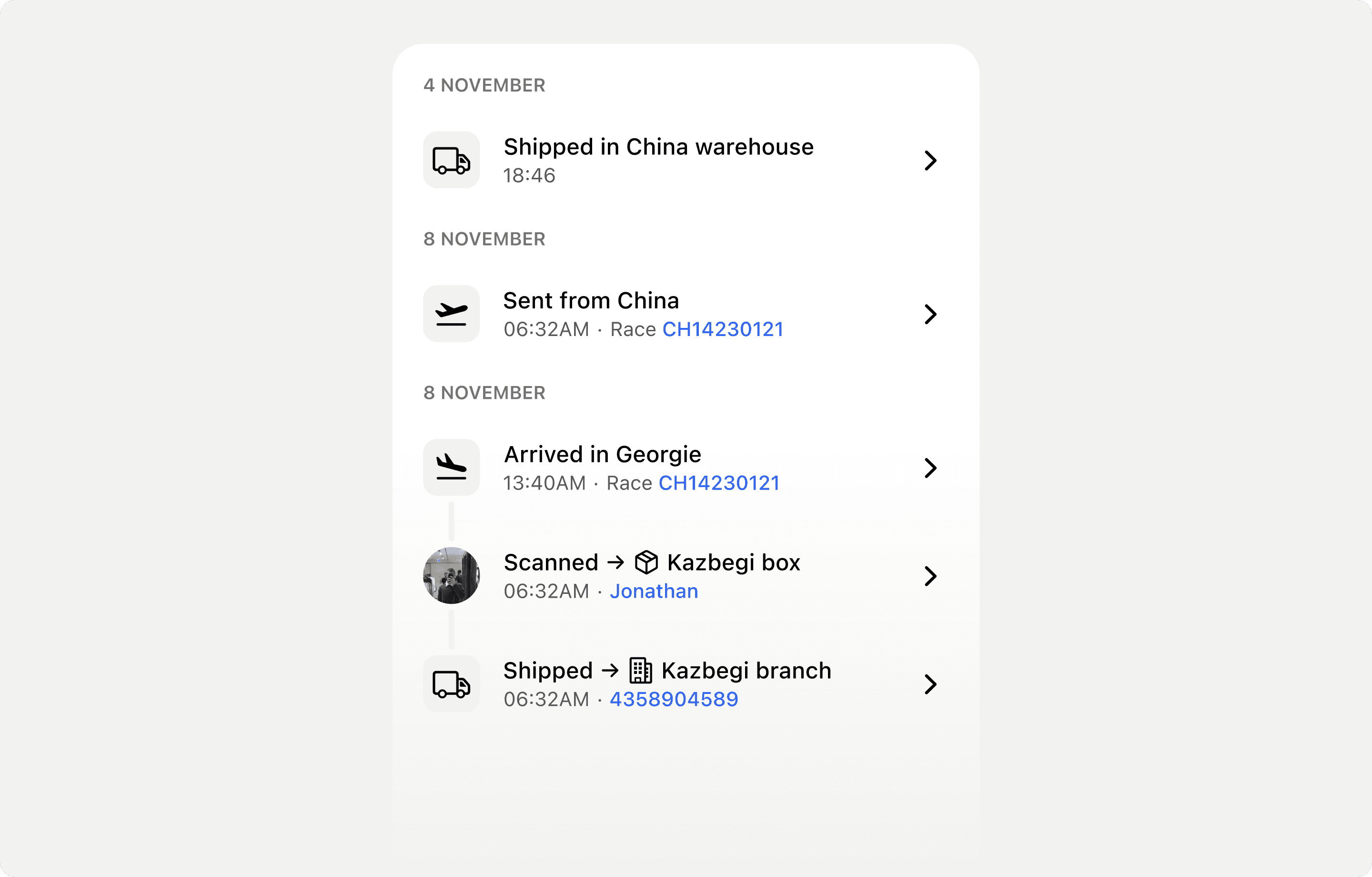
After introducing real-time tracking with automatic updates, lost parcels were reduced by 67% . Every parcel gained a visible history of actions, making it significantly easier for teams to spot and resolve issues early.
By automating the logs, teams began to trust the system data instead of relying on manual checks . This shift made daily warehouse operations more predictable and reliable.
Double-check system
03 / 04
Before the double-check system was implemented, mistakes were typically found late during pickup or delivery. When a parcel was missing or sent to the wrong branch, teams were forced to stop work and trace actions manually, which increased stress and slowed daily operations.
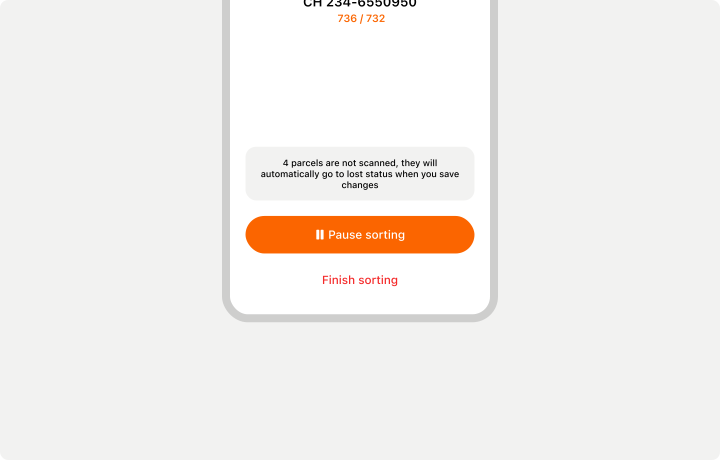
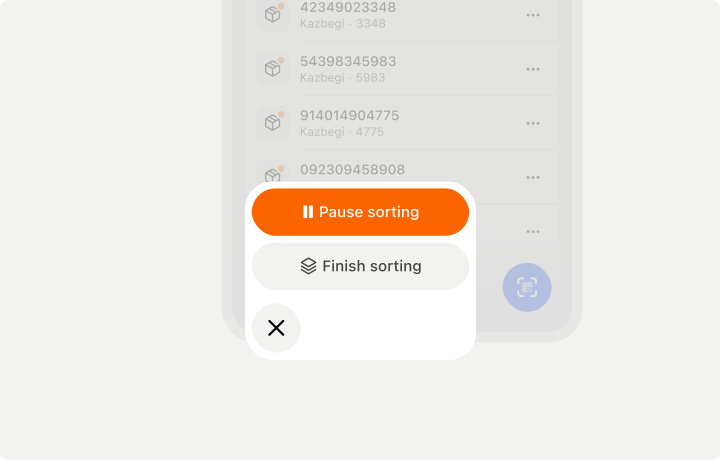
I added a double-check system at critical steps like inbound completion and route handover. Each check required confirmation before moving forward, and actions were logged automatically to maintain pace.
These interventions reduced delivery-related mistakes by 50% by catching problems before parcels left the warehouse. This systematic approach replaced manual guesswork with a reliable, traceable workflow.
Shelf handling & reallocation
04 / 04
My work was not limited to the digital interface; I also designed the physical shelf structure so the system matched actual warehouse behavior . Shelves were numbered and ordered logically to make navigation clear and reduce confusion during daily operations.
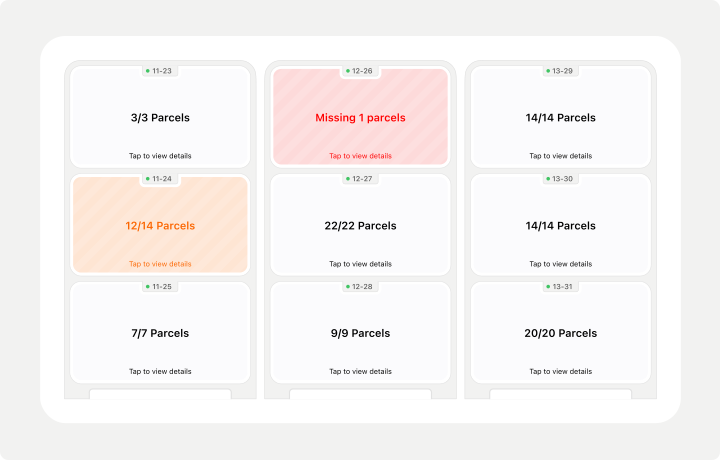
I redesigned shelf handling to require location updates on every move, ensuring each reallocation was logged automatically . Following this change, average search time during pickup dropped from 42s to 23s, making daily warehouse operations significantly faster and more reliable.
Bonus system
My work was not limited to the digital interface; I also designed the physical shelf structure so the system matched actual warehouse behavior . Shelves were numbered and ordered logically to make navigation clear and reduce confusion during daily operations.
I redesigned shelf handling to require location updates on every move, ensuring each reallocation was logged automatically . Following this change, average search time during pickup dropped from 42s to 23s, making daily warehouse operations significantly faster and more reliable.

Closing summary
This project demonstrated how targeted system decisions can fundamentally transform daily operations. By optimizing tracking, physical layouts, and accountability, I made warehouse work more reliable and manageable for the teams on the floor.
The final result was a shift toward calmer workflows and unmistakable responsibility rather than just a lower error rate. I proved that designing for real-world operations requires designing both the digital system and the physical environment it lives in.